visit the following webpage written by-Mcdowell Gilbert
The problem of astigmatism can be difficult to understand. It is a refractive mistake that can be present from birth or develop during childhood or after eye injuries or surgical treatment.
The cornea and also lens work to refocus light getting in the eyes right into a solitary focal point on the retina. With astigmatism, light gets in the eye in two various places and creates fuzzy or distorted images.
Causes
Astigmatism is a refractive mistake, which indicates that light entering the eye doesn't focus exactly on the back of the eye (the retina). The result is blurry vision.
Usually, the cornea as well as lens refract light precisely to ensure that light signals are focused on the retina to generate clear, crisp photos in the brain. However with astigmatism, the cornea or lens aren't completely rounded. Rather, they are more like a sphere or an American football with steeper as well as flatter sides.
Individuals generally have astigmatism their whole lives, but it's harmless. https://writeablog.net/elias188kary/frequently-asked-questions-regarding-lasik-surgical-procedure can be spotted throughout a comprehensive eye examination. Your physician will certainly make use of a tool called a keratometer to gauge the curve of your cornea. She or he may likewise perform a visual acuity test and ask you to check out different lenses to determine which ones make your vision the clearest.
In some cases people establish astigmatism as a result of injury or surgical treatment. https://squareblogs.net/patrick035azalee/the-relevance-of-follow-up-care-after-lasik-surgical-treatment can additionally take place in kids as a sign of various other health problems, such as scrunching up your eyes or rubbing the eyes.
Medical diagnosis
During a total eye examination, an optometrist or ophthalmologist can spot astigmatism. They make use of special devices to determine your ability to see points clearly at various distances and focus light appropriately on the retina.
Generally, light going into the eye goes through the lens as well as cornea to merge at one prime focus on the retina. However with astigmatism, the form of the cornea or lens is uneven, so light does not merge at a solitary place on the retina, producing fuzzy and distorted vision.
The most typical approaches for detecting astigmatism are the visual acuity test and also refraction examinations. Your physician may likewise use a tool called a keratometer to obtain a measurement of the cornea's shape, or utilize a Jackson cross cyndrical tube to subjectively refine those dimensions. Your medical professional can also reshape the cornea with laser eye surgical procedure, like LASIK or photorefractive keratectomy (PRK). These treatments are quick and pain-free. They are offered for both farsightedness as well as nearsightedness, along with astigmatism.
Treatment
A person with astigmatism has an uneven contour in the front surface area of the eye. This influences how light rays focus on the retina, creating blurry vision. Eyeglasses and also contact lenses remedy this by putting a lens with the ideal prescription before the eyes.
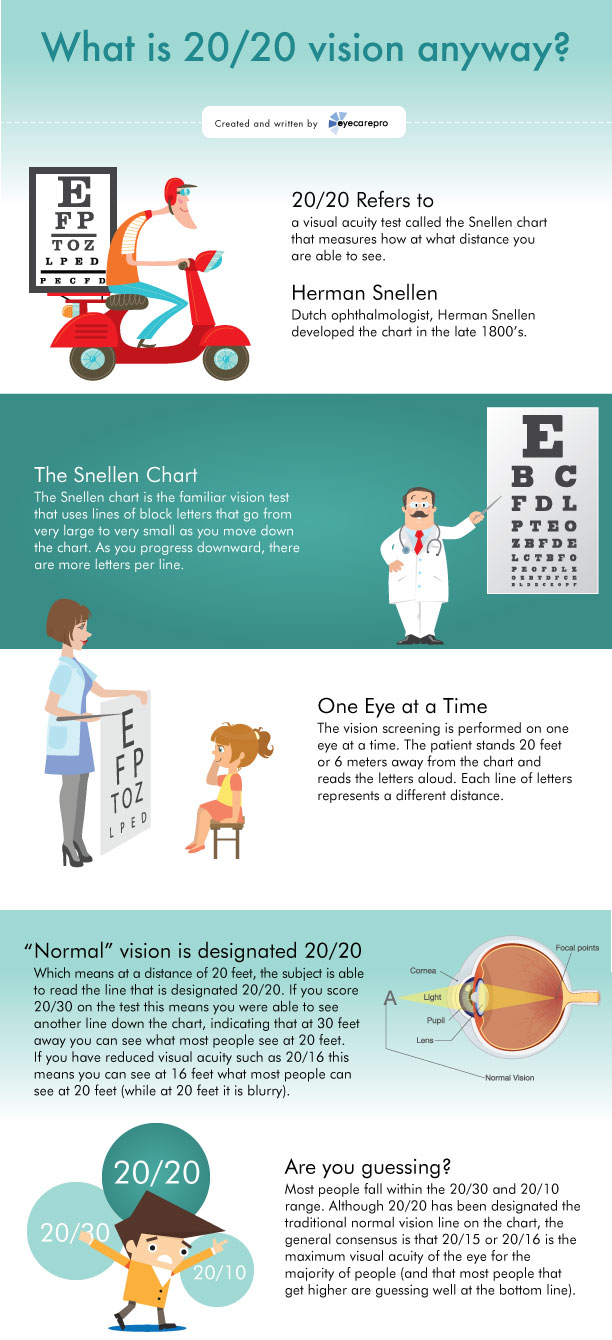
Your ophthalmologist can detect astigmatism during a detailed eye test. They might utilize a phoropter (a tool with dials to check refractive mistake) as well as a Snellen Chart to examine your visual acuity. They can likewise make use of an autorefractor to radiate light into your eye as well as analyze exactly how the return photo focuses on your retina.
Typically, the cornea as well as lens are round, meaning they have matching contours. But astigmatism takes place when the cornea or lens have unequal contours. This impacts how light concentrates on the retina, resulting in obscured range as well as near vision. You might be born with astigmatism, develop it after an injury or surgery, or get it from an eye condition or cataract.
Avoidance
If you're prone to astigmatism, it can aid to see your eye treatment professional often. Your physician can diagnose astigmatism using a series of tests, consisting of a visual acuity examination and a refractive examination with a phoropter or other machine.
The shape of your cornea and the lens in your eye identify how well you see. In astigmatism, the cornea or lens is misshapen, indicating that when light gets in the eye it fails to merge effectively on the retina. This leads to blurred vision. Your medical professional can correct this with get in touch with lenses, glasses or surgery (LASIK). Sometimes, the condition can be inherited from your moms and dads. Various other times it might be a side effect of an eye injury or disease. Sometimes, it can also be a symptom of the eye disorder keratoconus, which creates your cornea to become thinner and also much more conical. Astigmatism can not be protected against, however. It's usually present from birth.